


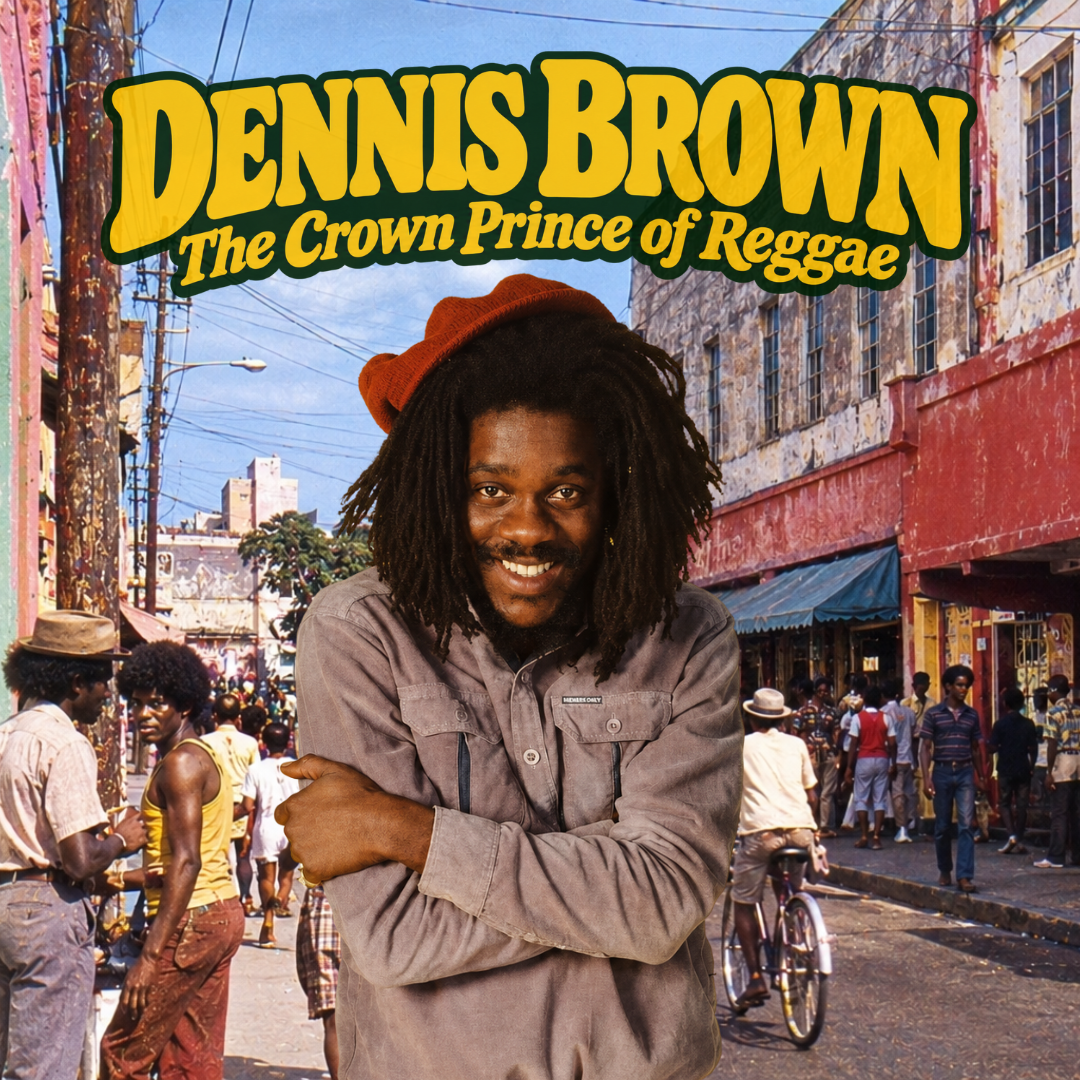
Dennis Brown‘s catalog stretches wide — from Studio One in Kingston to the UK charts, from London’s diaspora stages to international festivals. The “Crown Prince of Reggae” is one of Jamaica’s great artists, weaving roots reggae, lovers rock, and dancehall into a foundation that holds significant weight in modern reggae history. He built all of it through a warm vocal character, long phrasing, and the ability to thread love, spirituality, and social reality across a discography that keeps earning its place.
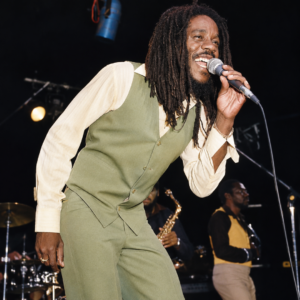
Studio One, Orange Street, and the Rise of Kingston’s Young Star
Dennis Emmanuel Brown was born on February 1, 1957, in Kingston, Jamaica. His father, Arthur Brown, was a scriptwriter, actor, and journalist — which meant the atmosphere of performance was already part of daily life from an early age.
Byron Lee called him “The Boy Wonder.” From the age of nine, Dennis Brown was already standing on beer crates on stage alongside Byron Lee and the Dragonaires so the audience could see him over the crowd. His love of vocal music found early influence in Nat King Cole — possibly the variable that made melodic, soulful touches another signature running through every note he sang in reggae.
His first recording was “Lips of Wine” for producer Derrick Harriott, though it never saw release. Brown then entered Studio One and at twelve years old recorded “No Man Is an Island” — a single released in 1969 that grew into a major hit in Jamaica. It was proof of a vocal maturity well beyond his age: soft, emotional, with the long phrasing that would become legendary.
During the Studio One era, Dennis Brown was active as a backing vocalist — singing alongside Horace Andy and Larry Marshall on Alton Ellis‘s album “Sunday Coming.” Ellis later taught him guitar after Brown convinced Coxsone Dodd to buy him an instrument. Moving into his teens, he began stacking his catalog — recording for Prince Buster, Derrick Harriott, Phil Pratt, Herman Chin Loy, Vincent “Randy” Chin, and Lloyd Daley. A reputation as a high productivity young singer around Orange Street, Kingston, was already taking shape.
Joe Gibbs, “Money in My Pocket,” and the Roots Reggae Explosion
In 1972, Dennis Brown began working with Joe Gibbs. Those sessions delivered “Money in My Pocket”, produced by Winston “Niney” Holness with support from Soul Syndicate — its extended version paired with fantastic toasting from Big Youth. When Lightning Records re-released it in the UK, it climbed to number 14 on the UK Singles Chart in 1979, becoming one of the seminal reggae crossover releases of the late 1970s.
The Brown and Winston “Niney” Holness collaboration produced a string of recordings that redefined roots reggae. The peak came through “Visions of Dennis Brown” (1978) — carrying “Deliverance Will Come”, “Milk and Honey”, “Repatriation”, and “Concrete Castle King”, all addressing the African diaspora, city life, spirituality, and Jamaica’s economic pressures. That same year, Brown performed at the One Love Peace Concert on April 22, 1978, at the National Stadium complex in Kingston, alongside Lloyd Parks and We The People Band — a night of Jamaican political reconciliation also remembered for Bob Marley‘s appearance. Two major moments in one year that showed exactly where Brown stood in 1978: at the top.
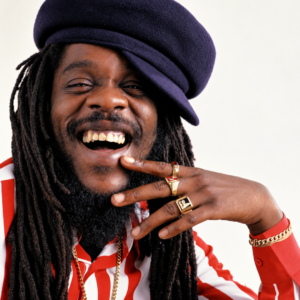
DEB Music and the London Diaspora Reggae Bridge
To found DEB Music alongside Castro Brown, Dennis ran five consecutive nights at the Georgian Club in Croydon to raise the funds. DEB — short for Dennis Emmanuel Brown — operated from 1975–1976 into the early 1980s, releasing Brown‘s own work while pushing names like Junior Delgado, Bob Andy, Carlton & His Shoes, and Gregory Isaacs. DEB releases blended showcase mixes, dub versions, and extended disco mixes — crucial elements in the development of lovers rock out of the UK.
The International Era, Dancehall, and the Crown Prince Legacy
In the early 1980s, Brown signed with A&M Records and released “Foul Play” (1981), “Love Has Found Its Way” (1982), and “The Prophet Rides Again” (1983).
As modern dancehall developed in Kingston, he stayed active alongside Prince Jammy and Gussie Clarke — adapting to drum machines and digital riddims as the industry’s new currency while keeping his signature intact.
Throughout the 1980s and into the 1990s, Brown was a central figure at Reggae Sunsplash and continued performing at international festivals. Many reggae singers of the following generation name Dennis Brown as a primary source for vocal technique and songwriting.
On July 1, 1999, Dennis Brown — the Crown Prince of Reggae — passed away in Kingston at the age of 42, following respiratory complications and a heart attack. The singer Bob Marley acknowledged as his personal favorite remains an essential element and primary source in the evolution of roots reggae singing, lovers rock, and the shape of modern Jamaican music to this day.
(Text: Keyko, Editor & Translation: Sam)



Show Comments