


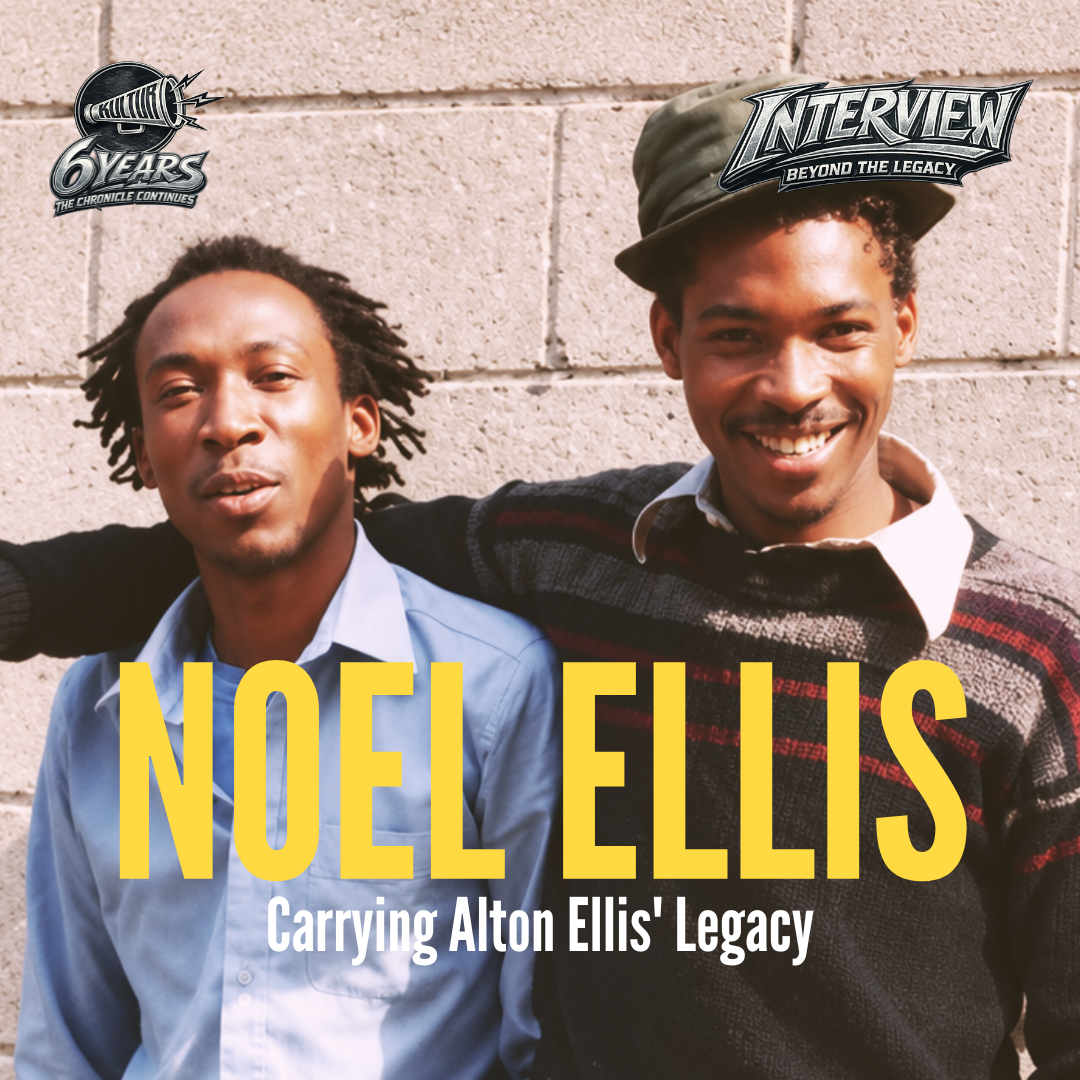
The Godfather’s Son: Noel Ellis and a Legacy That Grew in the Living Room
Kingston, mid-1960s. The ska tempo slows — and from that shift, rocksteady is born, a genre that changed the direction of Caribbean music. Standing at the center of that moment, holding the weight of it, is Alton Ellis — the Godfather of Rocksteady.
The world knows Alton Ellis through stages and recordings. But Noel Ellis, his son, knew him closer than that. He shares the story from his living room, in celebration of kulturdotmedia’s 6th anniversary.
“When I think of my father, the first thing that comes to mind is not the title ‘Godfather of Rocksteady.’ I remember the human being — his humility, the way he carried himself. To the world he was Alton Ellis, but to me he was my father,” says Noel.
That’s where the conversation begins: how a legend came home every night and remained a father.
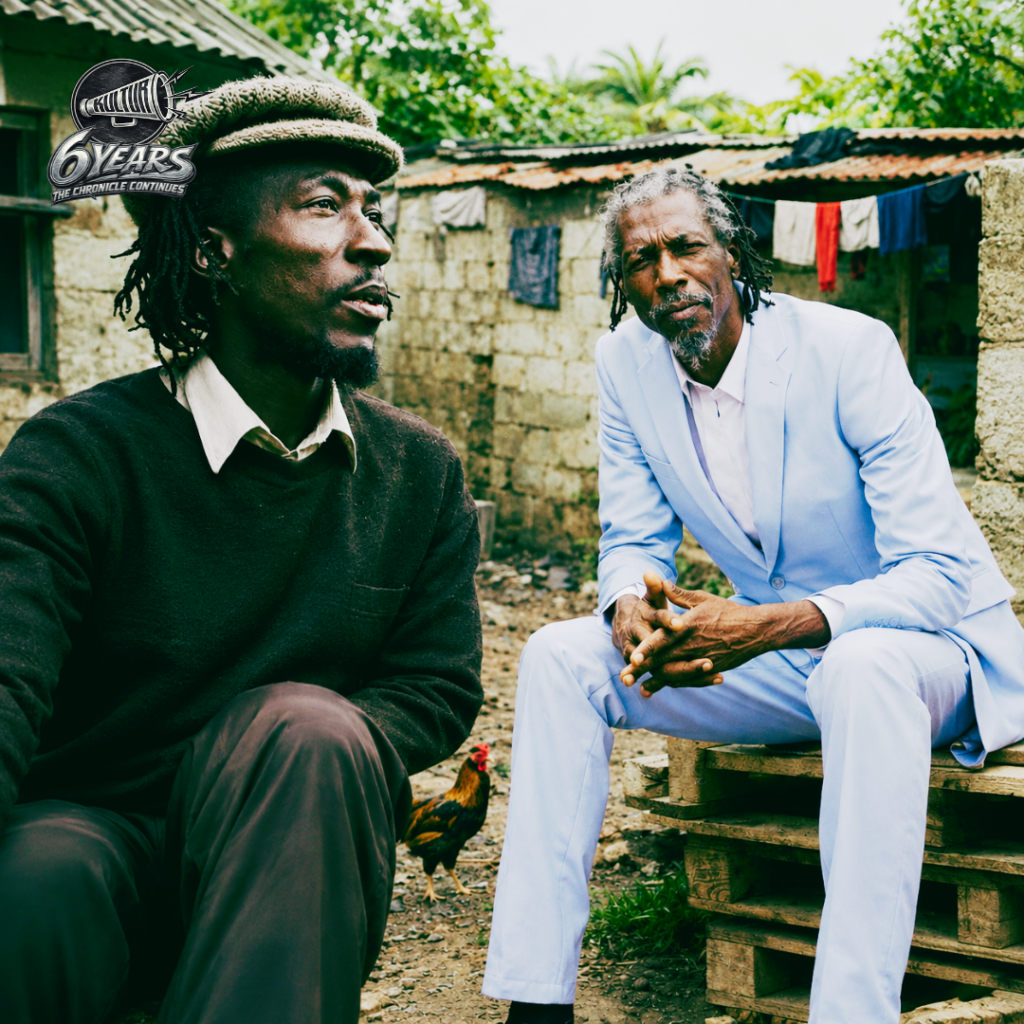
The Stage Stopped at the Door
Alton Ellis had another version of himself at home — a family man who put the microphone away when the door closed behind him.
“At home, he was a father and a head of the family. Music was a big part of his life, but there was a side of him the public rarely saw. He was very simple and grounded”
The quiet moments Noel holds close are a reminder that behind the songs this cross-generational legend sang, there was a man with responsibilities and people he loved.
The way Alton Ellis lived became a lesson that has stayed with Noel into adulthood — delivered not through words, but through daily examples.
“He showed that a person could achieve great things while still treating others with respect. Your work and the way you treat people will speak for themselves.”
From Trenchtown to His Own Stage
Noel was born in Kingston in 1958 and grew up in Trenchtown — the neighborhood that produced some of the most important names in Jamaican music history.
When Alton moved to Toronto, Noel followed, coming of age in a Caribbean diaspora community that kept its emotional ties alive through the latest 45s from Jamaica. Alton later moved on to England, while Noel stayed with his aunt and uncle — watching Toronto’s reggae scene of the mid-1970s take shape around Jerry Brown‘s Summer Records.
But it was Channel One in Kingston, where a teenage Noel once recorded alongside The Gladiators, that became the first room where he began to hear his own voice.
“Finding your own voice is a journey. As Alton Ellis’s son, the influence is there. I grew up hearing his voice and feeling his music”
Jerry Brown saw the potential. In 1978, “Reach My Destiny” came out to little response. A year later, “Rocking Universally” arrived alongside Jackie Mittoo — and that one spoke: it entered the 12-inch charts in Europe. In 1983, Noel Ellis’s full album dropped through Summer Records. Not a commercial moment at the time, but later unearthed as a cult treasure when Light in the Attic Records brought it back with a CD reissue in 2006.
“When I started recording as a young man, working at Channel One and alongside musicians like The Gladiators, I began to understand that I had my own story”
“I realized I could honor where I came from without becoming my father. I am Noel Ellis. My father’s influence has always been part of me, but my experiences, my journey, and my voice — those are my own.”
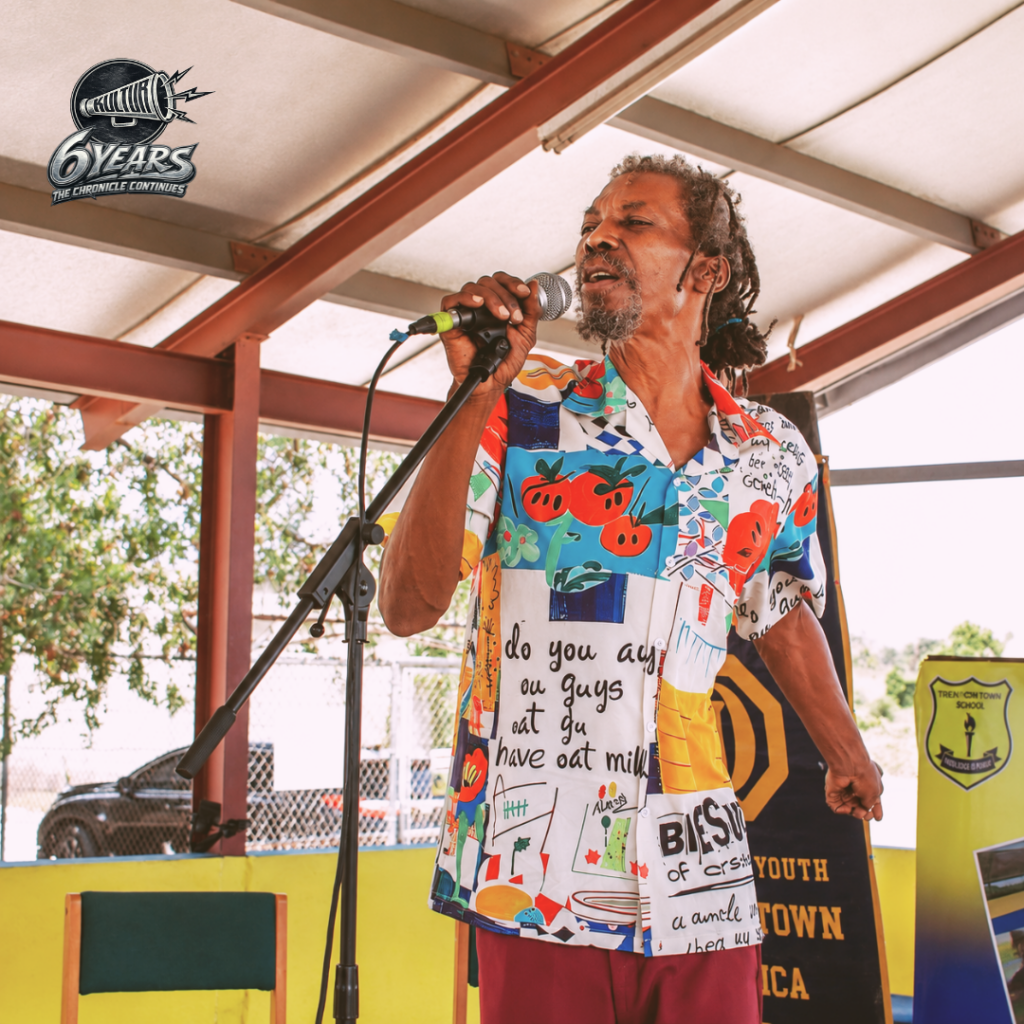
How did Alton Ellis stay relevant across ska, rocksteady, and reggae without losing himself?
“Because the foundation was strong. My father had a voice, a style, and a feel that was truly his own. He understood music. More importantly, he understood emotion. Love, heartbreak, and life will always be relevant. That honesty is what kept his music alive through every era.”
Character as a Second Legacy
Most people measure a musician’s legacy through their discography. Noel measures it through how a life was lived.
“Songs are a big part of someone’s legacy. But character is also a legacy. The way we treat others, the way we live our lives, and the example we leave for our children — those things live on too,” he says.
One line has served as his compass across Kingston, Toronto, and London: “Stay true to yourself.”
“Music will always change. People will always have opinions. The industry will keep shifting. But you have to know who you are.”
Rocksteady, for Noel, is still a lesson in feel — one that holds for a generation raised at speed.
“Young people can learn about feelings. Rocksteady gave singers room to tell a story and gave listeners the chance to feel every word.”
“Make something with soul. Make something honest. If the feeling is real, the music will live for generations. Rocksteady has already proven that.”
Through “My Father’s Art”, Noel tends to that legacy while still making room for his own name.
“I hope people feel something real. Before they know I’m Alton Ellis’s son, before they know the history or the legacy — I want the music to speak for itself. I want people to know Noel Ellis too. If a song finishes and something stays with the listener, then I’ve done my job.”
Alton Ellis changed the direction of Jamaican music through rocksteady. Noel Ellis carries that line forward — through Trenchtown, Channel One, Toronto, London, and every stage he’s walked onto under his own name. Humility, honesty, and loyalty to self: the thread that connects two generations of one family.




Show Comments